When Do You Need Material Removal Services on a Construction Site?
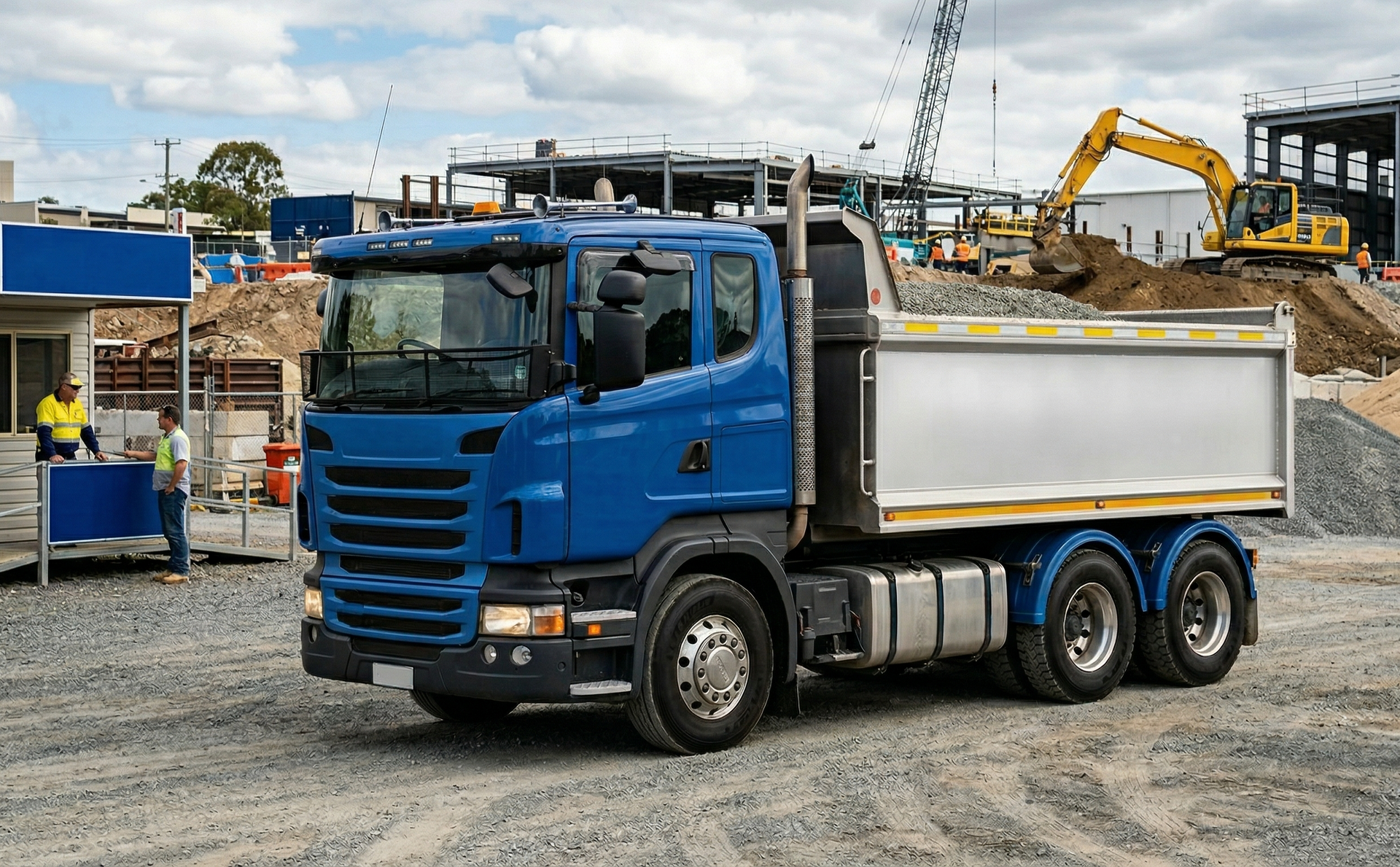
Material removal is one of those site functions that often gets noticed only when it falls behind. Spoil builds up, access becomes tighter, work areas become harder to manage, and crews lose time dealing with stockpiles or waste that should already be gone. On active construction sites, timely removal is not just about tidiness. It plays an important role in keeping the job safe, workable and on schedule.
Whether the project involves excavation, demolition, site preparation or general construction works, there are usually stages where unwanted material needs to be cleared efficiently. That may include soil, broken concrete, mixed debris, excess fill or other bulk material that no longer needs to stay on site. In this article, we look at when material removal services are typically needed, why they matter, and how they support smoother site operations.
What material removal services usually cover
Material removal services involve transporting unwanted material away from a site so work can continue with less interruption. Depending on the job, that may include excavated soil, surplus rock, demolition waste, broken asphalt, concrete or other bulk material generated during construction works. In many cases, removal is not a one-off task. It happens progressively as the project moves through different stages.
On some jobs, removal starts early when excavation or clearing works generate spoil that needs to be taken off site. On others, it becomes more important later, once excess material, packaging, broken surfaces or other unwanted by-products begin to affect site access. Reliable material removal and disposal helps manage these issues before they start causing wider disruption.
It is also important to separate material removal from general transport. Removal often needs to be coordinated with site conditions, waste pathways, loading methods and disposal requirements. That is why it works best when it is planned as part of the broader site logistics process, rather than treated as a last-minute clean-up task.
Common stages when removal becomes necessary
One of the most common times material removal is needed is during early earthworks. Excavation can quickly generate spoil that takes up valuable room if it is not cleared. The same applies during demolition or strip-out works, where broken material and debris can pile up faster than expected. When those materials remain on site too long, they can interfere with plant movement, access routes and loading areas.
Removal is also important during mid-project works. Surplus materials, rejected loads, broken surfaces or temporary stockpiles may need to be cleared so other trades can continue working efficiently. In these situations, removal is less about final clean-up and more about keeping the site functional from day to day.
For projects where incoming and outgoing materials need to be managed together, site haulage support can help coordinate removals with ongoing deliveries. That approach can reduce congestion and improve the overall flow of materials across the site.
Why prompt removal matters for site efficiency
Unwanted material takes up space, and on construction sites space is often limited. When spoil, waste or broken materials sit in the wrong place, crews may need to work around them, plant movement can become less efficient, and access points may narrow. This creates friction across the job and can make even routine tasks slower than they need to be.
Prompt removal helps restore usable space and supports a cleaner, more organised work area. It also reduces the need for double handling, where crews move material more than once before it leaves the site. That kind of extra handling adds labour time and can increase wear on equipment without adding real value to the project.
There is also a compliance side to consider. Some waste streams need to be managed carefully and disposed of in line with local requirements. EPA Victoria provides guidance on industrial and priority waste. For broader guidance on managing risks during construction activities, Safe Work Australia provides a practical model code at Safe Work Australia.
How removal fits with broader site logistics
Material removal works best when it is planned alongside deliveries, access requirements and overall site sequencing. If trucks are arriving with imported material while spoil is also waiting to leave, the timing of those movements matters. Without coordination, the site can become congested and transport tasks may start competing with each other instead of supporting the project.
That is why removal often sits alongside broader transport services such as construction material carting. Looking at both incoming and outgoing material together allows contractors to make better use of access windows, loading areas and available working space. It also gives site teams a clearer picture of how transport will affect the day’s activities.
For projects across Victoria, local access conditions and disposal pathways can also affect how removal should be planned. You can view our service areas to see where support is available and how logistics can be tailored to different locations.
Planning removal before it becomes a problem
The most effective material removal plans are made before the site starts feeling crowded. When project teams think ahead about likely waste volumes, loading access and disposal timing, they are better placed to keep the work area clear and avoid avoidable delays. That is especially useful on jobs with limited space or overlapping trades.
Material removal is not just a tidy-up task at the end of a project. On many sites, it is part of the day-to-day process of keeping work areas usable and transport moving smoothly. By treating removal as an operational requirement rather than an afterthought, contractors can support better site conditions and a more predictable workflow.
If you are planning upcoming works, explore our transport and haulage services to see how removal can fit into the wider job. You can also contact our team to discuss spoil removal, waste handling and site logistics for your next project.