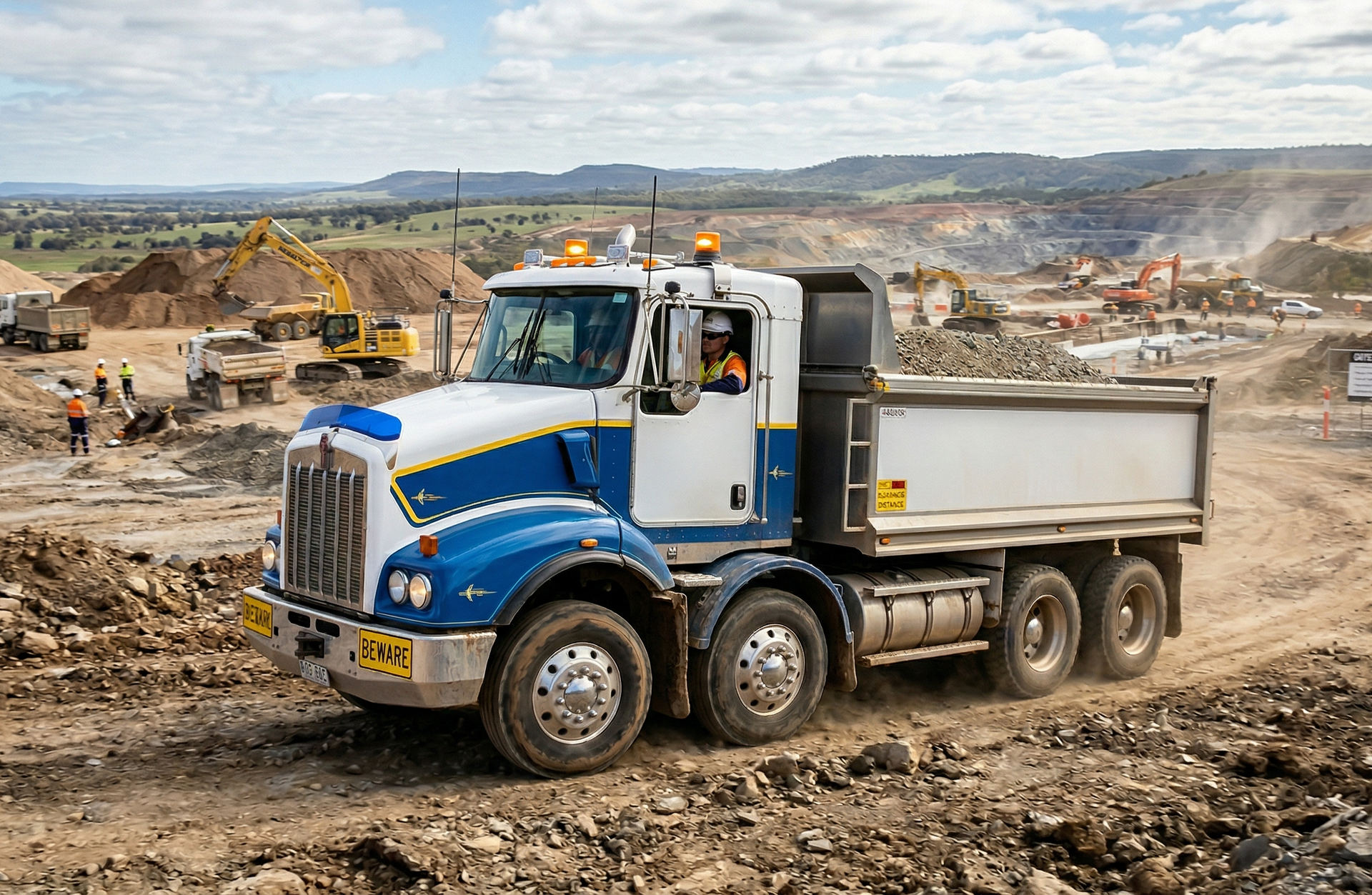
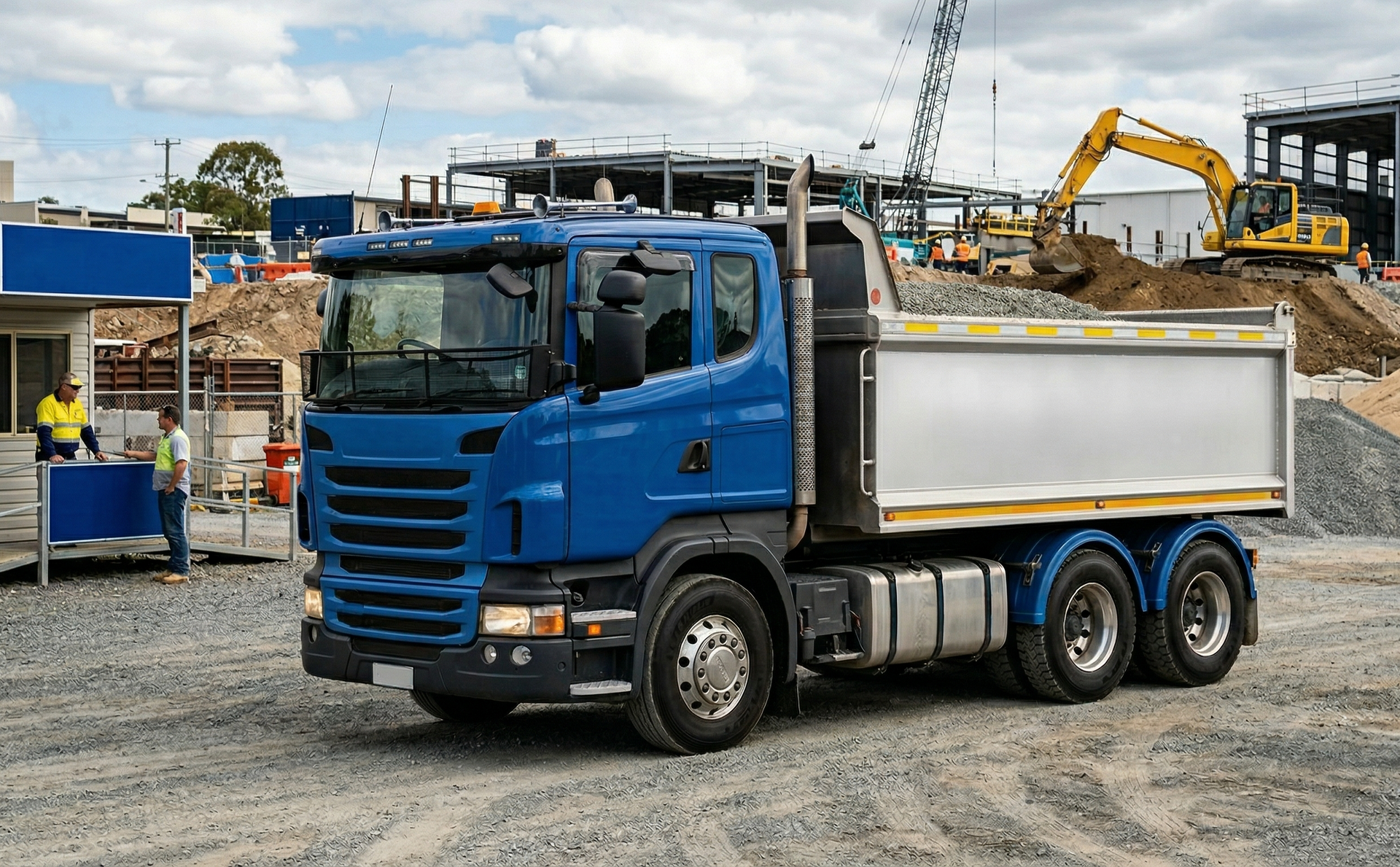
How Site Haulage Support Helps Keep Construction Projects on Schedule
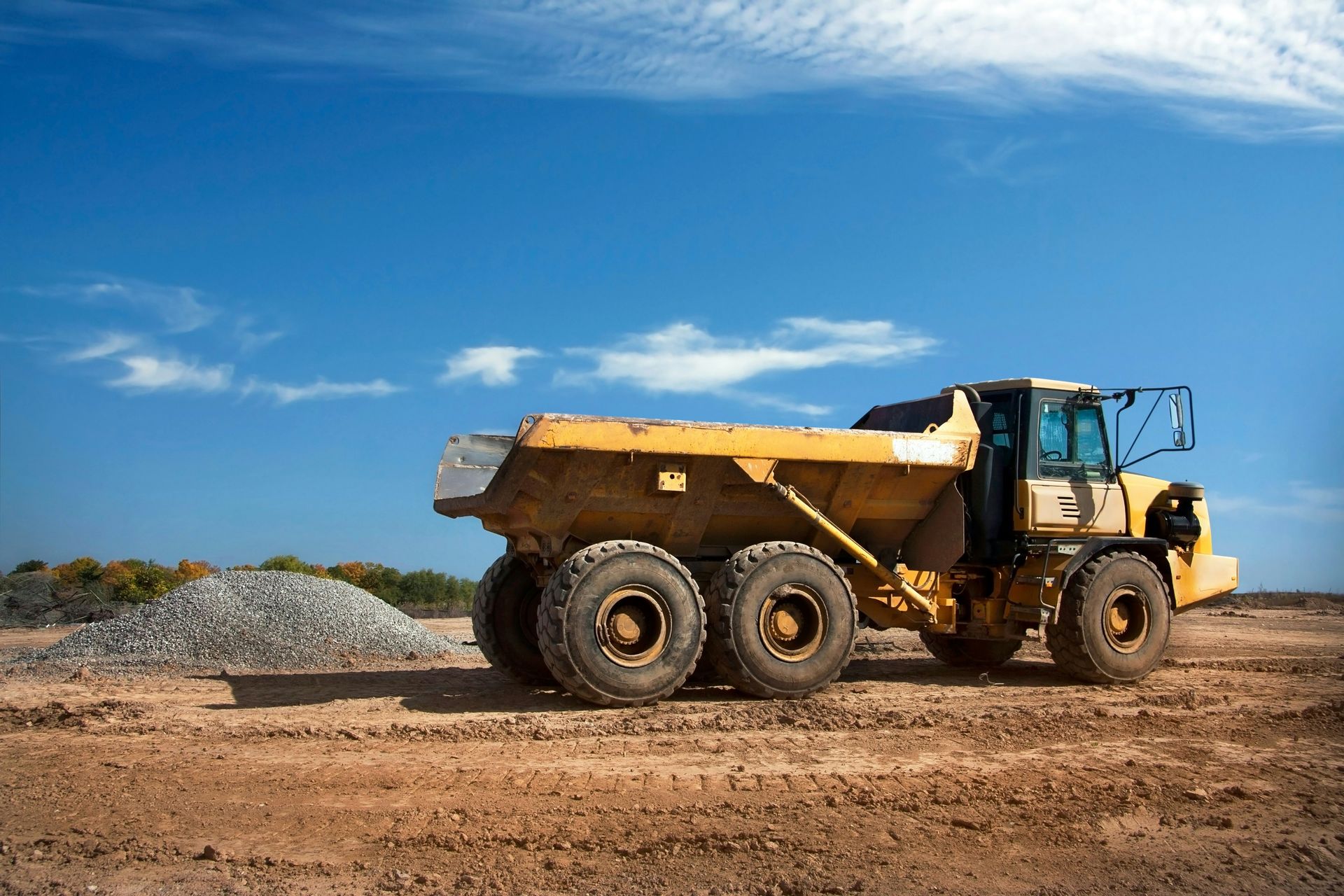
Construction schedules rely on more than what happens in the ground or on the slab. They also depend on what is happening around the site, especially when materials, spoil and equipment need to move in a coordinated way. If transport is not planned properly, even a well-run project can lose time to delays, congestion and rehandling.
That is where site haulage support becomes valuable. It helps connect the different moving parts of a job by making sure materials are delivered when needed, unwanted material is removed promptly, and transport arrangements support the wider construction program. In this article, we look at how site haulage support works, why it matters on active jobsites, and what to consider when planning haulage for smoother project delivery.
What site haulage support actually covers
Site haulage support is broader than simply booking trucks. It includes the planning, coordination and movement of materials to and from a construction site so the project can keep progressing without unnecessary interruptions. Depending on the job, this might involve imported fill, quarry products, structural materials, spoil removal or staged transport aligned with different work packages.
On many projects, transport requirements change as the job moves from one stage to the next. Early works may focus on clearing material and creating access. Mid-project works may require regular delivery of base materials or the movement of bulk products across the site. Towards completion, the focus may shift to clean-up and final removal tasks. Reliable site haulage support helps tie these stages together in a practical way.
This kind of support also needs to take account of site realities. Tight access, weather conditions, shared entry points and multiple subcontractors can all affect how transport should be managed. When haulage is coordinated properly, it supports site efficiency instead of competing with it.
Why transport timing affects the whole program
Construction projects often run to tight timeframes, and small disruptions can create wider scheduling issues. If imported material arrives too late, crews may be left waiting and planned works can be pushed back. If spoil is not removed on time, access can tighten, plant movement becomes harder, and the site can become more difficult to manage safely. Those issues often affect more than one trade at a time.
That is why haulage should be viewed as part of project coordination rather than an afterthought. The timing of truck movements, load volumes and delivery sequencing can all influence how smoothly a job runs. On busy sites, transport needs to support the schedule, not create extra friction within it.
For jobs involving bulk deliveries, construction material carting is often a key part of keeping works moving. Coordinated material supply means the right products arrive when needed, without overloading the site with stock that creates access or storage problems.
How haulage support improves site efficiency
Efficient haulage creates benefits beyond simple transport. It helps free up working space, reduce unnecessary handling and support better movement across the site. When excess material is removed promptly and incoming materials are delivered in a planned way, crews have more room to work and less time is spent moving stockpiles around the job.
There is also a cost and productivity angle. Delays caused by transport bottlenecks can affect labour, equipment usage and sequencing across several activities. Even short interruptions can add up over the life of a project. Practical haulage planning helps reduce these avoidable slowdowns and supports a more predictable workflow.
Where removal is part of the scope, it also makes sense to plan transport with disposal requirements in mind. Material removal and disposal should be managed in a way that supports both site access and responsible handling of waste streams. EPA Victoria provides guidance on industrial and priority waste management and Safe Work Australia offers construction work guidance that supports safer site coordination at Safe Work Australia.
What to consider before arranging haulage
Good haulage planning starts with a clear understanding of the project requirements. The type of material, estimated volumes, access conditions, disposal pathways and timing windows all matter. So does the question of how transport fits with other site activities. If truck access conflicts with excavation, concrete pours or other critical tasks, delays can follow quickly.
It is also worth thinking about haulage at a regional level. Travel times, traffic conditions and approved disposal or supply locations can vary between areas. Looking at the job in context helps build a more workable plan and reduces the risk of avoidable disruptions once the project is underway. You can view our service areas to understand where support is available.
For some projects, a broader view of available transport options can also help. Rather than treating each delivery or removal as a standalone task, it is often more effective to plan the transport flow for the whole stage of works. That approach can improve sequencing, reduce hold-ups and support a cleaner, more organised site.
Planning ahead for better project flow
Site haulage support works best when it is built into the job plan early. When project teams consider transport needs in advance, they are better placed to manage access, timing and material flow without last-minute pressure. That can make a meaningful difference to site productivity, especially on active jobs where several work fronts are moving at once.
Whether the task is bringing in material, removing spoil or supporting day-to-day site logistics, the aim is the same. Keep the project moving in a controlled and practical way. Thoughtful haulage support helps reduce delays, supports better site conditions and gives contractors more confidence that materials will be where they need to be when they need them.
If you are planning upcoming works, explore our transport and haulage services to see how support can fit your project requirements. You can also contact our team to discuss site logistics, access and haulage planning for your next job.